Solar Lithium ion Battery

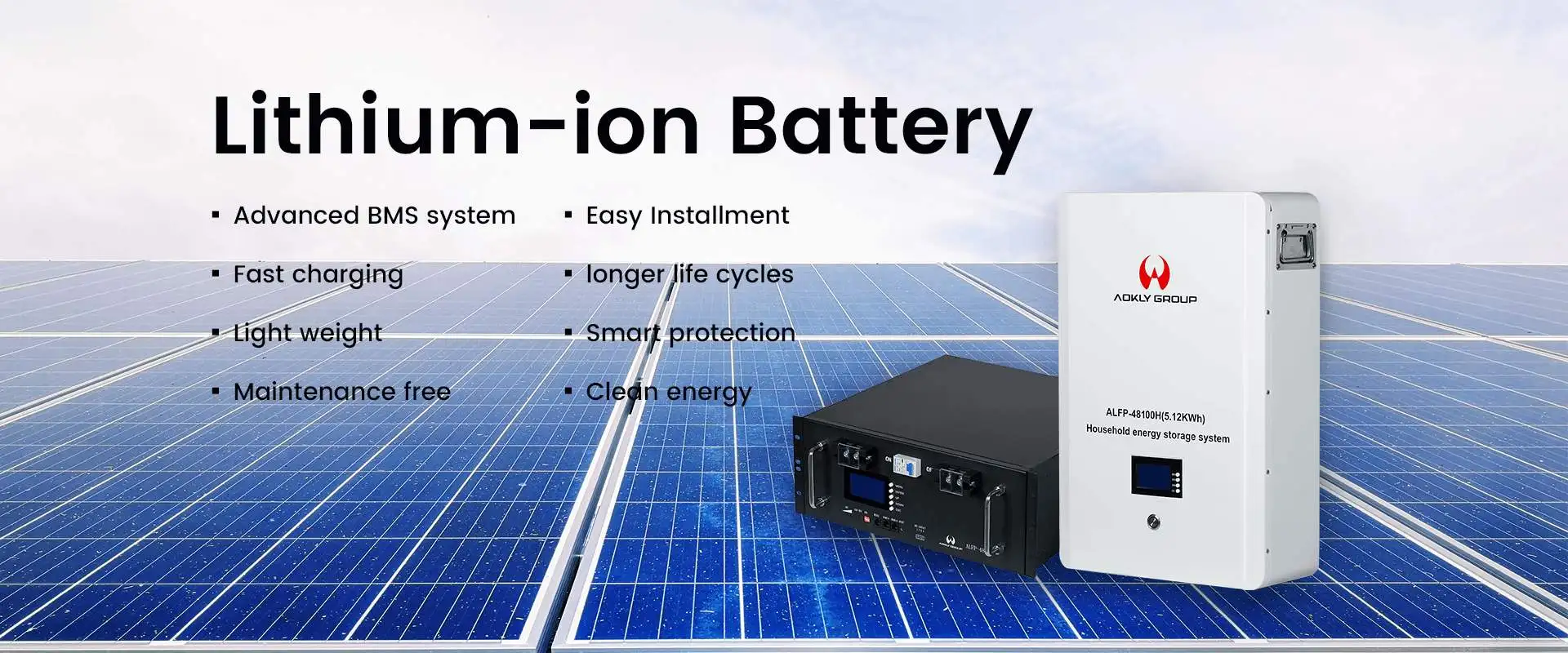
Lithium-ion batteries—particularly the Lithium Iron Phosphate (LiFePO4 or LFP) chemistry, which is favored for solar due to its safety and stability—offer significant benefits over traditional storage options like lead-acid batteries: 

High Energy Density: They can store more power in a smaller, lighter package, making them space-efficient for home or commercial installations. 

Longer Lifespan/Cycle Life: Lithium batteries can endure thousands of charge and discharge cycles, often lasting 10 years or more. 

High Depth of Discharge (DoD): They can be safely discharged to a much greater extent (typically 90-100%) without damage, meaning nearly all the stored energy is usable. Lead-acid batteries are often limited to 50% DoD. 

Higher Efficiency and Faster Charging: They have a high round-trip efficiency (90-95%), losing less energy during storage, and can charge much faster than alternatives, maximizing the capture of solar energy during limited daylight hours.

Low Maintenance: They are sealed, virtually maintenance-free units, unlike lead-acid batteries that require periodic checks and water refills.
Safety: Modern lithium chemistries like LFP include sophisticated Battery Management Systems (BMS) for protection against overcharge, over-discharge, and temperature issues.

🏠 Applications in Solar Systems
Energy Independence/Self-Consumption: Storing daytime solar energy for use in the evening to reduce reliance on grid power and minimize electricity bills.
Backup Power: Providing essential power during grid outages (blackouts).
Off-Grid Systems: Ensuring a consistent and reliable power supply in remote locations without access to the utility grid.